
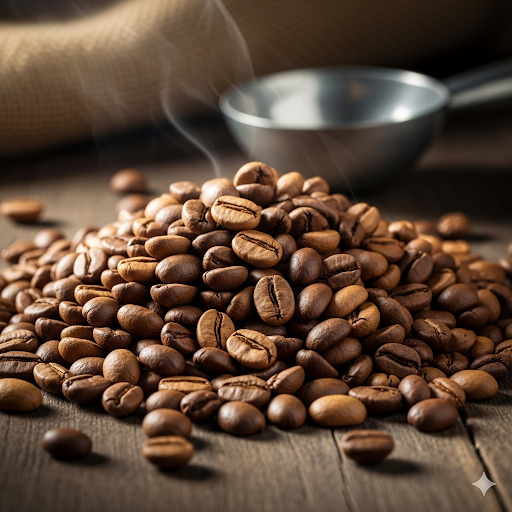
The aroma of freshly ground coffee, the gentle hum of an espresso machine, the quiet chatter of patrons—these are the hallmarks of a thriving café. But behind the counter, the reality for café owners and coffee roasters is more complex and challenging than ever. The industry, once buoyed by seemingly endless growth, is now facing a confluence of pressures that threaten the very model of the local coffee shop. From the farm to the cup, a perfect storm is brewing.
Here are the most pressing challenges defining the coffee landscape today.
1. The Sky-High Cost of Doing Business
This is the most universal and immediate pain point. Inflation has hit the coffee industry from all sides:
Green Coffee Costs: Climate change, supply chain disruptions, and rising production costs in origin countries have led to volatile and often exorbitant prices for green (unroasted) coffee beans. A roaster might be locked into a contract at one price, only to see the cost of their next shipment double.
Operational Overheads: Everything else is more expensive too. Energy bills to power energy-intensive espresso machines and roasters have soared. Rent in desirable locations remains high. The cost of packaging, cups, lids, milk alternatives, syrups, and pastries has all increased significantly.
The Labor Squeeze: Finding and retaining skilled baristas is harder than ever. With a competitive job market, businesses are forced to offer higher wages and better benefits to attract talent, further squeezing already thin profit margins.
2. Supply Chain Instability and Sourcing Woes
The just-in-time delivery model shattered during the pandemic and has never fully recovered. Roasters face:
Unpredictable Delays: Shipping containers can be stuck at ports for weeks, making it difficult to maintain a consistent inventory of specific coffee origins.
The Climate Crisis: This is no longer a distant threat. Droughts, unseasonal rains, and pests in key coffee-growing regions like Brazil, Colombia, and Ethiopia are devastating crops, reducing yields, and lowering quality. This creates scarcity and pushes prices up for everyone.
Ethical Sourcing Pressure: Consumers are increasingly conscious of buying ethically sourced, sustainable, and direct-trade coffee. While morally imperative, verifying and investing in these transparent supply chains is more administratively complex and expensive than buying bulk commodity coffee.
3. Intense Market Competition and Saturation
The “coffee shop on every corner” is no longer an exaggeration. The market is crowded with:
The Giant Chains: Starbucks and other mega-chains continue to expand, leveraging their massive buying power and brand recognition.
Specialty Coffee Roasters: The growth of the specialty sector means more high-quality options for consumers, making it harder for any single roaster to stand out.
The At-Home Revolution: The quality of home brewing has exploded. With high-end machines like Jura, Breville, and De’Longhi becoming more accessible, and subscription services delivering premium roasted beans directly to doors, the value proposition of a daily $7 latte is under scrutiny.
4. Evolving Consumer Habits
The way people work and consume coffee has fundamentally changed:
The Hybrid Work Model: With more people working from home, the loss of the morning and lunchtime commuter crowd has decimated a core revenue stream for urban cafés. The predictable Monday-Friday rhythm is gone.
Demand for Experience: Customers no longer just want a caffeine fix; they want an experience, impeccable quality, unique single-origins, and nitro cold brew on tap. Meeting these elevated expectations requires constant innovation and investment.
Value Consciousness: As wallets feel pinched, customers may cut back on discretionary spending. A café visit becomes a occasional treat rather than a daily ritual, forcing businesses to fight for a smaller share of consumer spending.
5. The Sustainability Imperative
Environmental responsibility is a significant operational and financial challenge:
Packaging Waste: The industry grapples with the immense problem of single-use cups, plastic lids, and packaging. Finding affordable, truly compostable, and consumer-friendly alternatives is a huge hurdle.
Carbon Footprint: From farming practices to international shipping to the energy used in roasting and brewing, the coffee industry has a large carbon footprint. Measuring and mitigating this impact is complex and costly.
Consumer Expectation: A failure to have a clear and genuine sustainability story can be a reputational risk, as eco-conscious customers vote with their wallets.
Brewing a Resilient Future
Despite these daunting challenges, the industry is adapting. Success now requires more than just pulling a great shot. The path forward involves:
Diversification: Roasters are expanding into wholesale, online subscriptions, and selling brewing equipment. Cafés are adding evening service, natural wine, and event spaces to create new revenue streams.
Community Building: The most resilient businesses are those that become indispensable community hubs, fostering a loyal customer base that values connection over convenience.
Operational Efficiency: Leveraging technology for inventory management, streamlining menus, and optimizing staffing is crucial for protecting margins.
Transparent Storytelling: Clearly communicating the value behind the price—the fair pay for farmers, the sustainable practices, the skilled labor—helps justify costs and build brand loyalty.
The romance of the coffee business is now firmly grounded in a harsh economic reality. For cafés and roasters to not only survive but thrive, they must be nimble, strategic, and deeply connected to their purpose, proving that the true value of a great cup of coffee extends far beyond the bean itself.
0 Comments