
When you buy a bag of freshly roasted coffee, you are paying for far more than just the beans inside. For home roasters and small business owners, understanding every cost component is essential. Underestimating any single factor can turn a promising venture into a financial struggle. This guide provides a transparent, line-by-line breakdown of what it really costs to get coffee from a green bean to a brewed cup, with all figures in Canadian dollars.
The Two Pillars of Coffee Economics
Green Coffee Costs
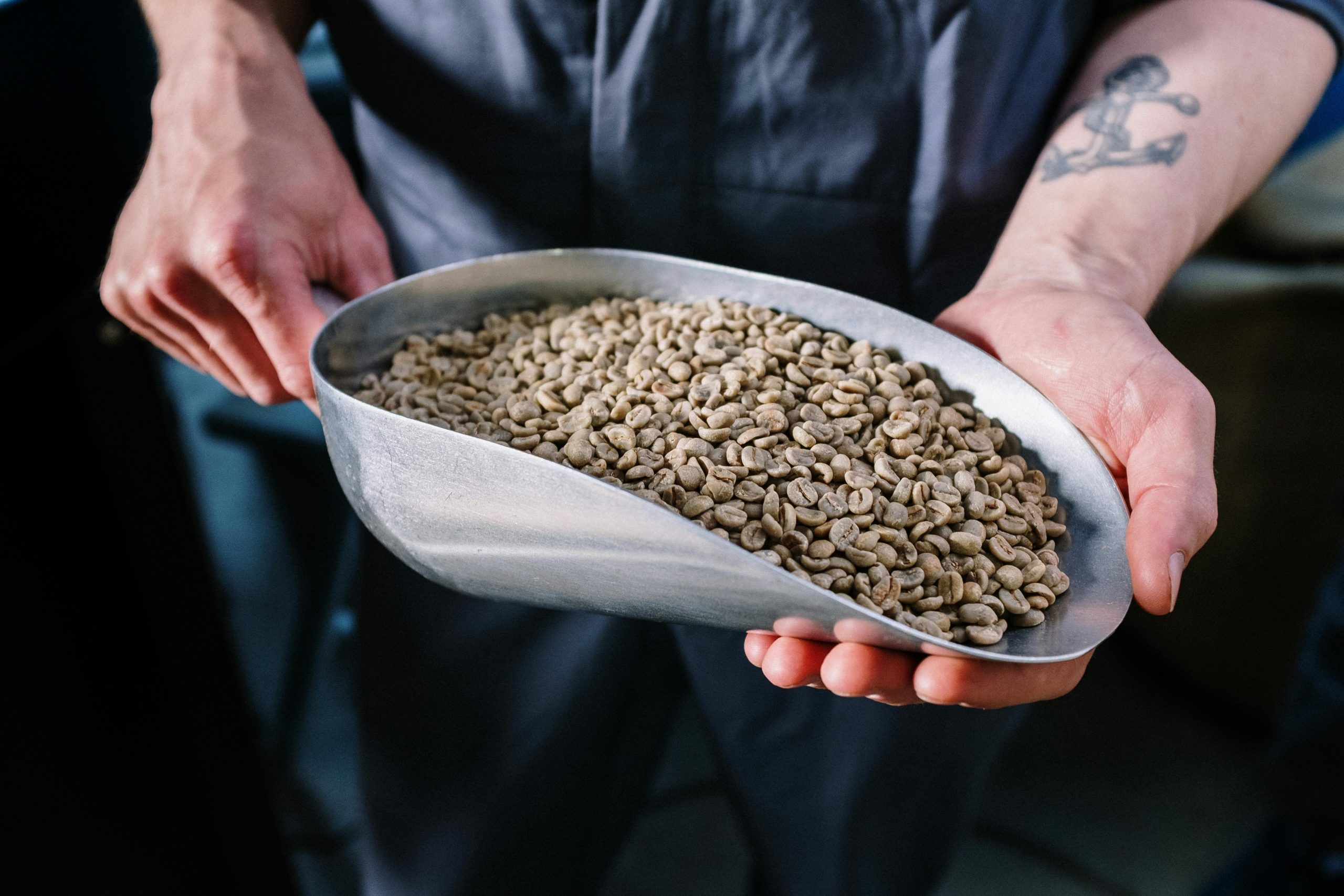
Green beans are the largest variable expense. In early 2025, specialty Arabica prices in Canada rose from approximately $2.65 CAD per pound to $5.20 CAD per pound – nearly double. Robusta prices have reached around $5.90 CAD per kilogram. Canadian specialty buyers report costs between $6.00 and $13.50 CAD per kilogram for standard specialty lots, and $15 to $27 CAD per kilogram for premium micro-lots.
Climate disruptions and supply chain instability continue to drive volatility. Any serious cost model must build in a buffer for future price swings.
The Roasting Process and Shrinkage
Roasting inevitably causes weight loss. During a typical roast, moisture evaporates, reducing bean mass by 14 to 18 percent. If you purchase green coffee at $10.50 CAD per kilogram, the effective cost of the roasted coffee rises to roughly $12.30 CAD per kilogram. Failing to account for shrinkage means undervaluing your product and eroding margins.
A Comprehensive Cost Breakdown for a Small Roastery
Equipment Costs
The roaster itself is a major investment. For sample or micro roasters, expect to spend $2,500 to $7,000 CAD. A small commercial roaster (1 to 6 kilogram capacity) costs $20,000 to $55,000 CAD. Large production roasters (30 to 100+ kilograms) range from $70,000 to $275,000 CAD or more.
For new businesses, Kaleido’s electric roasters start around $1,500 CAD, offering precision and affordability. Our roasters are built for durability and consistent performance. Even in the under $4,000 CAD range, quality and reliability make all the difference.
Packaging and Marketing
A 250-gram bag with a one-way valve costs $0.45 to $0.65 CAD. Labels add roughly $1.05 CAD per pound. Bulk shipping boxes run about $0.04 CAD per pound. Initial branding materials – labels, bags, logo design – typically require $1,400 to $7,000 CAD.
Overhead and Operations
Monthly rent varies widely, from $700 CAD for a small shared space to $14,000 CAD or more for a prime commercial location. Utilities (gas or electricity) add $400 to $1,100 CAD per month. Labor and insurance depend on your region, but both must be factored in. Working capital requirements range from $2,800 to $28,000 CAD to cover initial operating expenses before revenue stabilises.
Minimum Startup Costs by Business Model
If you are testing the market through dropshipping, startup costs can be as low as $1,400 to $7,000 CAD, but gross margins will be tight at 20 to 35 percent. Private labelling requires $7,000 to $28,000 CAD, with margins of 35 to 50 percent. A home-based micro-roastery needs approximately $35,000 CAD, yielding 40 to 60 percent gross margins. A self-owned roasting operation (no retail storefront) costs $20,000 to $70,000 CAD, with margins of 50 to 65 percent. A commercial facility with a retail cafe demands $200,000 to $700,000 CAD or more, but margins can reach 60 to 75 percent.
The Specialty Coffee Association estimates that opening a full roastery requires about $165,000 CAD in startup capital when you include permits, training, ventilation, and afterburners.
Pricing Strategies and Profitability Scenarios
Cost-Plus Pricing
Calculate your total cost per roasted pound: green cost plus shrinkage plus packaging plus labour plus overhead. Then add your desired markup. For wholesale, aim for double your cost (a 50 percent margin). Retail requires a higher markup to absorb customer acquisition and shipping costs.
Tiered Menu Pricing
Maintain a value-oriented blend at a lower price point while charging premium prices for single-origin and micro-lot coffees. This approach appeals to both budget-conscious buyers and quality-focused enthusiasts.
Subscription Models
Subscriptions provide predictable monthly revenue. To make them sustainable, target a minimum 50 percent margin after accounting for cost of goods sold and shipping. Bundling multiple bags or offering free shipping over a certain threshold can improve retention.
Communicating Price Increases
If you must raise prices, do so transparently. Most customers understand that input costs are climbing. Frame increases as necessary for quality sourcing and sustainable business practices. You are not alone – many Canadian roasters are making similar adjustments.
Real-World Profitability Examples
For a wholesale-focused roaster processing 216 kilograms per month, monthly revenue might be $6,000 CAD against expenses of $5,400 to $10,000 CAD. This results in break-even to a small profit. Shifting to a retail and DTC mix at the same volume yields $8,200 CAD in revenue, which is clearly profitable due to higher per-unit margins.
Scaling up to 500–700 kilograms per month generates approximately $18,500 CAD in monthly revenue, with net profit margins of 15 to 25 percent. A Canadian roaster in Hamilton recently increased bag prices by 20 to 30 percent due to rising green bean costs, while wholesalers brace for small incremental increases. Most roasters operate on 30 to 50 percent gross margins before overhead. With optimised operations, net profits of 15 to 25 percent are achievable.
The Bottom Line
Profitability in coffee roasting hinges on four factors. Machine efficiency: precision reduces waste and improves consistency. Green coffee sourcing: building direct relationships with producers improves margins by 5 to 15 percent. Sales channel mix: wholesale adds volume, while retail and DTC add margin. Brand positioning: strong brands can justify premium pricing.
For established roasters, subscriptions and private-label production for local businesses provide predictable recurring revenue. This steady income helps weather commodity price shocks and allows you to focus on quality rather than constant price firefighting.
The true cost of coffee is a dynamic equation, not a fixed number. By breaking it down openly and honestly, you protect your bottom line and build trust with customers who value both quality coffee and fair prices. Use this framework to price your roasts confidently, and never leave money on the table.
0 Comments